September 28, 2026
Why Delaying Wisdom Teeth Removal in Oxnard CA Can Cause Problems
By @andreswain396
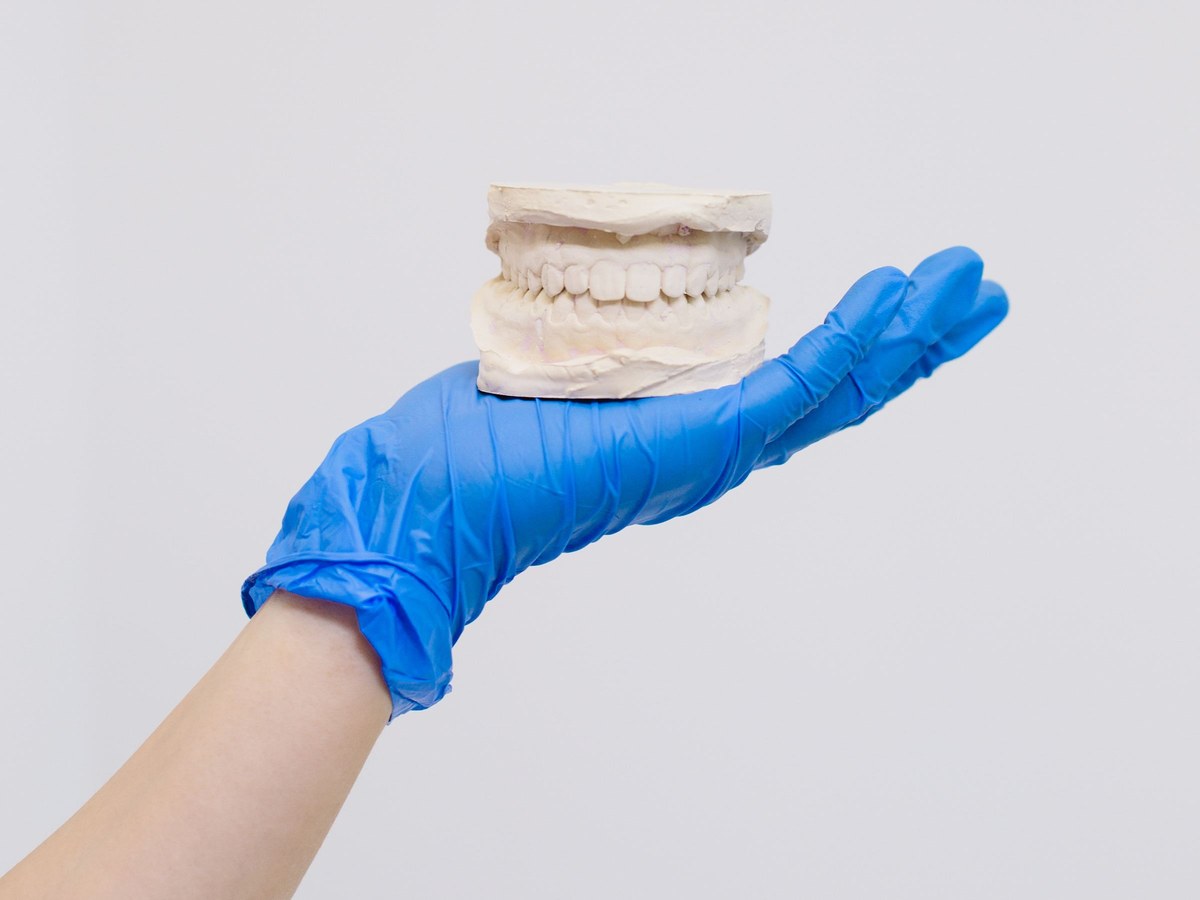
For many people, wisdom teeth feel easy to ignore. They may not hurt every day, they may have only caused occasional soreness, or a dentist may have mentioned them years ago without a sense of urgency. Life gets busy, symptoms fade, and the appointment gets pushed further down the calendar. That pattern is common, especially with young adults balancing work, school, family obligations, and the simple hope that the issue might never turn into a real problem.
The trouble is that wisdom teeth rarely become more cooperative with time. In practice, delayed treatment often means a more complicated extraction, a rougher recovery, or preventable damage to nearby teeth and gums. Patients are sometimes surprised by how much can be happening below the surface before pain becomes obvious. An X-ray may show crowding, cyst development, gum infection, or bone loss long before a patient feels alarmed enough to call the office.
In a place like Oxnard, where people spend a lot of time outdoors, stay active, and often juggle packed schedules, dental problems tend to get tolerated longer than they should. A sore jaw before the weekend, some swelling that improves after a day, food packing around the back molars, these things can seem minor. They are not always minor. When it comes to Wisdom Teeth Removal Oxnard CA patients often have the best experience when treatment happens before repeated flare-ups begin.
Wisdom teeth are late arrivals with limited space
Wisdom teeth, also called third molars, usually emerge in the late teen years or early twenties. By then, the jaw has already made most of its developmental decisions. Some people have enough space for these teeth to erupt normally and remain healthy. Many do not.
That mismatch between tooth size and available room is at the center of the problem. If a wisdom tooth cannot fully erupt, it may remain trapped under the gum or bone, which is called impaction. Sometimes it comes in halfway, leaving a flap of gum tissue over part of the crown. Other times it grows at an angle and pushes against the tooth in front of it. A few wisdom teeth appear upright on a quick glance but still sit so far back that they cannot be cleaned well enough to stay healthy long term.
This is why the absence of severe pain does not necessarily mean the tooth is harmless. Position matters. Access matters. Cleanability matters. A quiet wisdom tooth can still be causing slow, cumulative problems.
The hidden damage often starts before obvious symptoms
One of the most frustrating aspects of delayed wisdom tooth care is that patients often feel reasonably fine until the issue has advanced. That is not a failure of awareness. It is simply how oral disease behaves. Infection, gum inflammation, and decay can develop gradually, especially around partially erupted teeth.
A common example is pericoronitis, which is inflammation and infection in the gum tissue surrounding a partially erupted wisdom tooth. Food debris and bacteria get trapped under the gum flap, and the area becomes swollen, tender, and difficult to clean. Some patients first notice a bad taste, mild jaw stiffness, or discomfort when chewing. Others wake up with throbbing pain and swelling that seems to appear overnight. By the time that happens, the tissue has usually been irritated for a while.
Another frequent problem is decay on the neighboring second molar. This matters because the second molar is often a healthy, useful tooth with decades of function ahead of it. When a wisdom tooth leans forward and presses into that tooth, it creates a tight, hard-to-clean area where cavities can form. I have seen patients assume the wisdom tooth itself was the only concern, only to learn the tooth in front of it now also needed a filling, root canal treatment, or in severe cases, extraction. Delaying one procedure can sometimes create the need for two.
Why age changes the equation
There is a practical reason many oral surgeons and dentists recommend evaluating wisdom teeth earlier rather than later. Younger patients typically heal faster. The roots may be less fully developed, the surrounding bone is often less dense, and the extraction can be technically simpler. None of that guarantees an effortless recovery, but it often shifts the odds in the patient’s favor.
As people get older, a few things tend to happen. The roots become more established. The bone can become denser. The impacted tooth may sit in closer relationship to important structures, including the nerve in the lower jaw. The tooth may also have had more time to damage the surrounding tissues. Surgery that could have been straightforward at 18 may be more involved at 32 or 42.
That does not mean adults should panic if they still have wisdom teeth. Many adults do well with removal later in life. It simply means that delay has consequences. The procedure itself may require more planning, and recovery may take longer than it would have years earlier. When people hear that timing matters, this is what clinicians are talking about.
Infection rarely stays convenient
Dental infections have a way of starting at the worst times. A patient may have months of minimal symptoms, then develop swelling two days before a wedding, an exam, a business trip, or a holiday weekend. Wisdom tooth infections are particularly disruptive because they can affect chewing, sleep, speaking, and jaw opening all at once.
When the tissue around a wisdom tooth becomes infected repeatedly, each episode can feel like an isolated annoyance. In reality, recurrent infections often signal that the tooth has become a chronic problem. Antibiotics may calm a flare-up temporarily, but they do not change the tooth’s position or eliminate the pocket where bacteria collect. Patients sometimes go through this cycle several times, thinking they are buying time. More often, they are just extending the period of discomfort while raising the chance of a more severe episode later.
In some cases, swelling can spread into the cheek or under the jaw. Severe dental infections are not something to manage casually. Even when the situation does not become dangerous, it can quickly become expensive and exhausting. Urgent visits, imaging, prescriptions, missed work, and emergency scheduling add up.
Crowding is not always the main issue, but pressure still matters
Many people have heard that wisdom teeth cause crowding in the front teeth. The evidence on that specific point is more nuanced than popular advice suggests. Lower front teeth can shift for several reasons over time, including natural age-related movement. Wisdom teeth are not always the sole culprit.
Still, that does not let them off the hook. A poorly positioned wisdom tooth can absolutely place pressure on the tooth in front of it and create localized damage. Even if it is not https://archerkoyo674.birchreport.com/posts/how-wisdom-teeth-removal-in-oxnard-ca-can-protect-your-oral-health responsible for all orthodontic relapse, it may contribute to tight contacts, inflammation, or areas that become impossible to floss properly. For patients who have invested years in orthodontic treatment, retainers, and follow-up care, it makes sense to protect the result by removing obvious risk factors when a dentist or oral surgeon identifies them.
Gum disease around wisdom teeth can spread forward
One of the less appreciated reasons to avoid delay is periodontal health. When a wisdom tooth sits partly erupted at the back of the mouth, it creates a plaque trap in one of the hardest places to clean. The gum tissue there can become chronically inflamed. Over time, that inflammation may not stay confined to the wisdom tooth area.
It can affect the distal surface of the second molar, meaning the side facing the wisdom tooth. That area is notoriously vulnerable when third molars are impacted or partially erupted. Once gum attachment and bone support around the second molar start to break down, restoring complete health becomes more difficult. Even after wisdom tooth removal, some periodontal damage may not fully reverse.
This is one of those cases where the patient may not feel much until the problem is established. Bleeding while brushing, occasional tenderness, or a lingering odor near the back tooth can all be clues. A periodontal probe and X-ray often tell the fuller story.
Cysts and other pathologies are uncommon, but real
Not every impacted wisdom tooth will cause a cyst or other pathology, and it would be irresponsible to suggest that this outcome is routine. It is not. But it is a legitimate reason that impacted teeth should not be ignored indefinitely.
The sac surrounding an unerupted tooth can sometimes enlarge and form a cyst. When that happens, it may slowly expand within the jawbone and damage adjacent structures. These lesions are often discovered on imaging rather than through symptoms. Patients are understandably unsettled when they learn something has been growing silently in an area that never hurt much.
This is why periodic monitoring matters if removal is not recommended immediately. A decision to observe a wisdom tooth should still involve follow-up, not neglect. Watchful waiting is only sensible when someone is actually watching.
The local reality in Oxnard
Oxnard patients often present with the same practical reasons for postponing care. They are working full time, helping aging parents, raising young children, attending college, or simply trying to avoid a procedure they remember hearing horror stories about. Cost is another factor. So is the assumption that if the pain is tolerable, the problem can wait until a more convenient season.
Coastal California life also creates its own rhythm. People do not want to miss surf days, team practices, outdoor work, social events, or family plans. It is easy to tell yourself you will handle it after the summer, after the holidays, after the promotion, after the semester. Then suddenly a manageable recommendation becomes an urgent need.
This pattern is worth naming because it is common, not because it reflects poor judgment. People postpone treatment for understandable reasons. The challenge is that wisdom teeth do not organize themselves around your schedule. Elective removal during a stable week is almost always easier than emergency treatment during a crisis.
When waiting may be reasonable
Not every wisdom tooth should come out automatically. Some are fully erupted, well positioned, easy to clean, and functioning like any other molar. Others remain impacted without signs of disease and can be monitored appropriately. Good dental care is not about removing every third molar on principle. It is about judgment.
A thoughtful evaluation usually considers the tooth’s position, the patient’s age, oral hygiene habits, X-ray findings, history of infections, and the condition of neighboring teeth. There are cases where surveillance makes sense. There are also cases where “let’s wait and see” becomes a passive way of avoiding an inevitable procedure.
The difference comes down to evidence. If a provider can explain why a specific tooth appears low risk and what signs should trigger reevaluation, monitoring may be appropriate. If there is already damage, repeated inflammation, or clear lack of space, delay tends to offer little benefit.
Signs that a wisdom tooth needs prompt attention
Some symptoms should move the issue higher on your priority list. They do not always mean an emergency, but they do mean it is time for a professional assessment.
- Swelling in the gums, jaw, or cheek near the back of the mouth
- Pain with chewing, jaw opening, or biting down
- Recurrent bad taste, drainage, or persistent bad breath from the area
- Food constantly getting trapped behind the last visible molar
- Headaches, ear-area discomfort, or sore throat that seem to flare with back tooth irritation
Even one of these signs can be enough to justify imaging and an exam. Many patients wait for dramatic pain, but subtle recurring symptoms are often the better predictor that the tooth is not coping well.
What the procedure is like for most patients
Fear of the unknown keeps plenty of people from scheduling an evaluation. The expectation is often worse than the reality. Wisdom tooth removal can range from a simple extraction to a more involved surgical procedure, depending on the tooth’s position. The details matter, which is why an exam and imaging are so important.
For erupted teeth with accessible roots, removal may be fairly direct. For impacted lower wisdom teeth, the surgeon may need to create an opening in the gum, remove a small amount of bone, and section the tooth into smaller pieces. That sounds intimidating on paper, but these steps are standard and designed to reduce trauma during removal.
Most patients are more comfortable than they expect during the procedure itself. The first few days afterward are usually the main hurdle. Swelling, soreness, limited jaw opening, and a soft-food diet are common. Recovery varies, but younger healthy patients often feel noticeably better within several days, with continued improvement over one to two weeks. More difficult impactions can take longer.
Recovery is usually easier when the tooth comes out before repeated inflammation
Tissues that have been infected over and over again do not always respond as smoothly after surgery. Chronic inflammation can make the area more delicate and less predictable. Patients who remove problematic wisdom teeth before multiple infections tend to describe the process as more controlled and less disruptive. They can plan time off, prepare food, arrange rides if sedation is involved, and follow post-op instructions without the chaos of urgent pain.
A practical preparation plan usually includes:
- Scheduling a few quieter recovery days
- Stocking soft foods and cold packs ahead of time
- Asking about medications, sedation, and transportation before surgery
- Avoiding strenuous activity for the first part of healing
- Following the surgeon’s cleaning instructions exactly, even when the area feels tender
That kind of preparation is hard to pull off when you are calling in because your face is swollen on a Thursday morning.
Cost often increases when treatment is delayed
Patients sometimes postpone extraction to save money, which is understandable. Oral surgery is a real expense, and even with insurance, out-of-pocket costs can matter. But delay can create new costs that were not part of the original decision.
A straightforward removal may become a more complex surgical extraction. A neighboring second molar may need restorative treatment. Repeated urgent care visits, prescription medications, missed work, and sedation needs can all change the financial picture. What looked like saving can turn into stacking expenses.
There is also the cost that does not show up on a statement, lost sleep, canceled plans, reduced concentration at work, and the low-grade stress of waiting for the next flare-up. People often underestimate how draining intermittent dental pain can be until it disappears.
The emotional side of delay
It is worth acknowledging something many clinicians see every week. People are rarely just postponing a dental procedure. Often they are postponing fear. They remember a difficult extraction from years ago, they worry about sedation, they dislike the feeling of losing control, or they have had past experiences where their pain was not handled well. Those concerns are real.
A good consultation should make room for them. Patients deserve clear explanations, not pressure. They should know whether all four wisdom teeth need removal or only some of them, what level of anesthesia is appropriate, what the expected recovery looks like, and what risks apply in their specific case. A conversation like that helps people make decisions from information rather than dread.
In my experience, many patients feel immediate relief once they have a concrete plan. The unknown is usually heavier than the treatment itself.
Choosing timing with good judgment
There is rarely a perfect week for oral surgery, but there is often a better window than the one patients choose after repeated delays. If exams and imaging show that a wisdom tooth is likely to become problematic, acting during a stable period makes sense. School breaks, slower work weeks, and times when support at home is available are all worth considering.
For anyone searching for Wisdom Teeth Removal Oxnard CA, the most useful first step is not assuming removal is definitely needed or definitely unnecessary. It is getting current imaging and a focused evaluation from a dentist or oral surgeon who can explain the anatomy, the risk level, and the trade-offs honestly. Good decisions depend on specifics.
Waiting can be appropriate in selected cases. But when a wisdom tooth is impacted, difficult to clean, inflamed, damaging the tooth next to it, or repeatedly infected, delay usually does not improve the outcome. It tends to narrow options, increase complexity, and turn a manageable procedure into a disruptive problem. The earlier that pattern is recognized, the easier it is to protect the rest of the mouth.
Oxnard Dentistry
1730 E Gonzales Rd
Oxnard, CA 93036, United States
Phone: +1 805-307-8731
FAQ About Wisdom Teeth Removal Oxnard CA
How much does it cost to get wisdom teeth removed in California?
Fees depend on tooth position, the number of extractions, imaging and anesthesia. Oxnard Dentistry can provide an individual estimate after examining your teeth. Ask for an itemized plan and confirm insurance benefits before scheduling.
Will insurance cover wisdom teeth removal?
Coverage and out-of-pocket costs vary by policy and the treatment required. Ask the dental office and your insurer to verify benefits, annual limits and any authorization requirements. A benefit estimate does not guarantee payment.
Is 30 too old to have wisdom teeth removed?
Age alone does not determine whether extraction is appropriate. A dentist evaluates symptoms, tooth position, oral health and medical history. Healthy, functional wisdom teeth may be monitored; teeth causing disease or other problems may need treatment.
❧